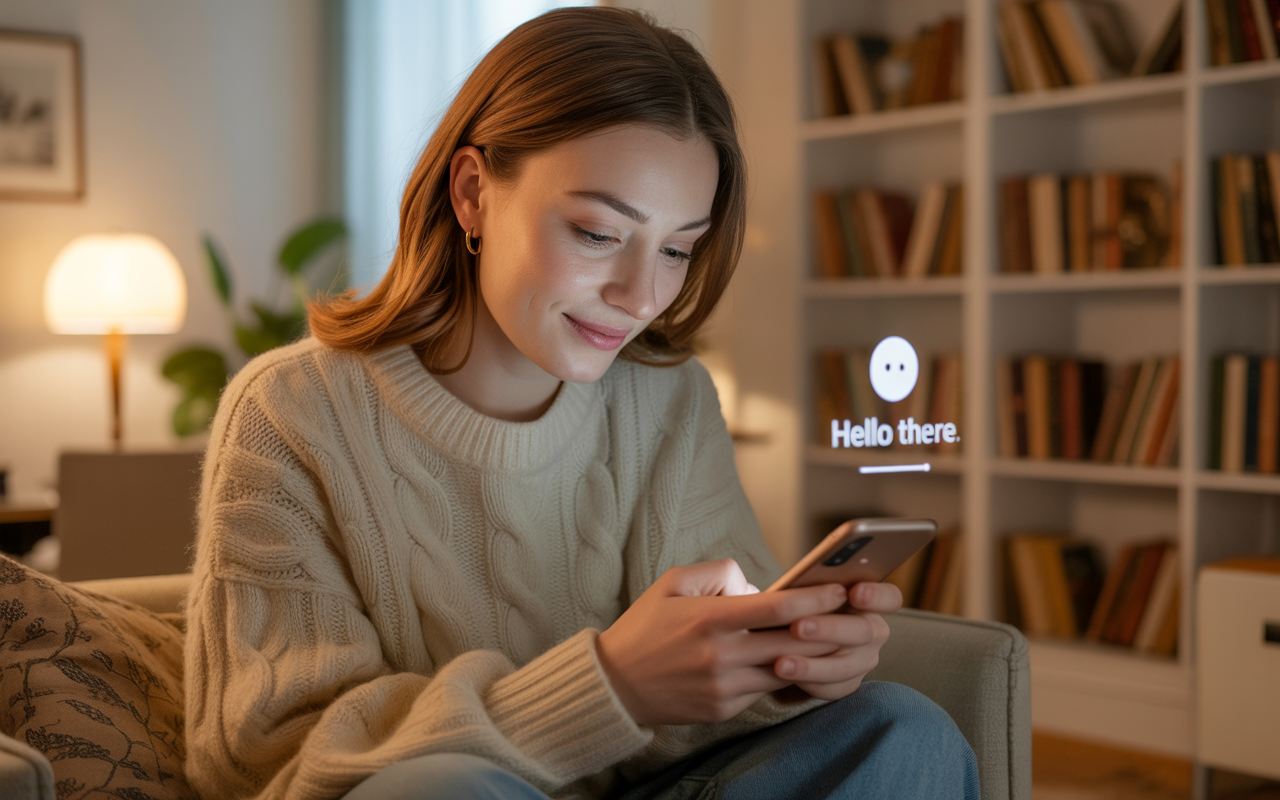
You know what's weird? We have more ways to talk to people than ever before — WhatsApp, Instagram, Discord — and somehow a huge chunk of people still feel completely alone. That's not a coincidence. That's a pattern.
AI companion apps showed up right in the middle of this problem. Not to replace human connection, but to fill the gaps — the 2am moments when your friends are asleep, the days when you just need someone to listen without judging you, the times when you're in a new city and don't know anyone yet.
The tech behind these apps has genuinely gotten good in the last couple of years. These aren't the old chatbots that replied with "I'm sorry, I didn't understand that." These apps actually remember what you told them last week. They pick up on whether you're happy or stressed. They have personalities that stay consistent. For a lot of people, especially those dealing with loneliness quietly, that feels genuinely comforting.
What's also changed is the stigma. A few years ago you'd never tell anyone you chat with an AI. Now people talk about it more openly — similar to how therapy used to be completely taboo in India and now it's something people openly recommend to each other. The conversation around mental wellness and emotional support is slowly shifting, and AI companions are part of that shift.
That said, these apps work best as a supplement to real connection, not a replacement for it. The most common pattern I've seen is people using them during transition periods — new job, new city, breakup recovery, heavy exam season — and then naturally needing them less once life stabilizes. Which, honestly, is exactly how it should work.
If you're curious to see what this actually feels like, HeartEcho is worth trying. It's built for Indian users specifically and supports Hinglish naturally, so you don't have to awkwardly type in textbook English.
Quick FAQs
Are AI companions replacing human friendships?
No — and most people who use them don't want that. They're more like a pressure valve. You talk to the AI when you can't talk to anyone else, and that actually helps you show up better in your real relationships.
Is it weird to use an AI companion?
Less weird than it used to be. Think of it like journaling, except the journal responds and remembers what you said. Millions of people do it, most just don't advertise it.
Can AI companions help with loneliness?
Yes, in the short term — having a non-judgmental space to express yourself is genuinely useful. But they're not a permanent fix. If you're feeling persistently lonely, working on real-world connections matters more.