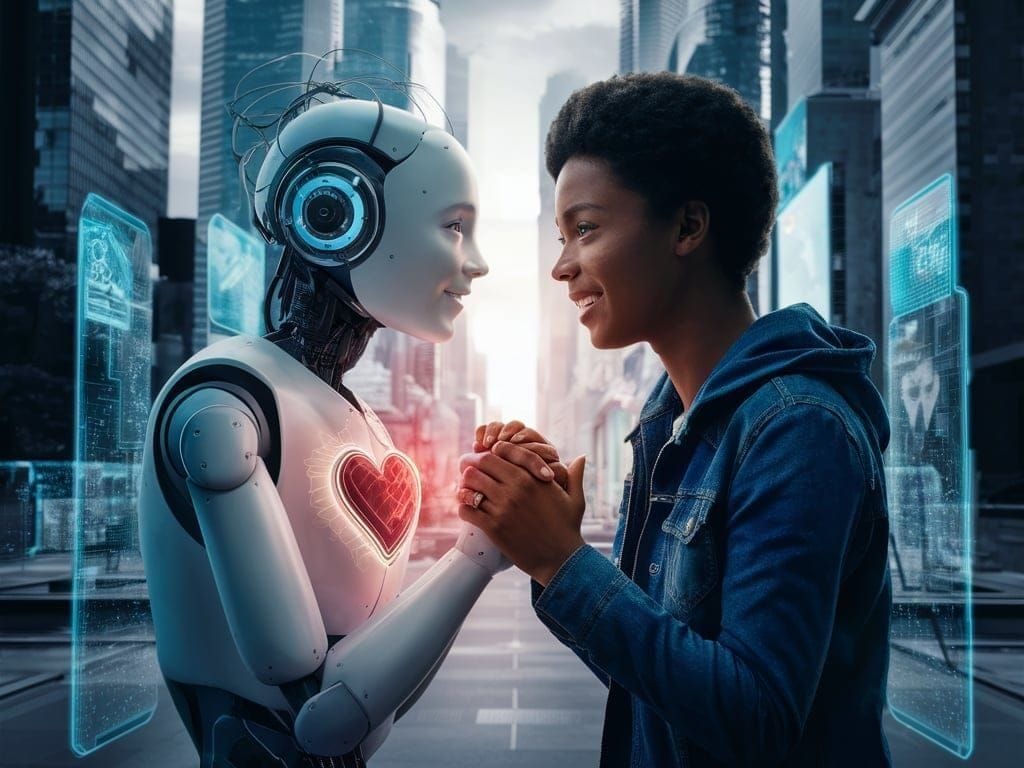
There's a specific kind of loneliness that a lot of Indians in their 20s deal with and don't really talk about. It's not about not having people around — it's about not having anyone to talk to in the way you actually need. Your family expects certain things from you. Your friends are dealing with their own stuff. And there's always the pressure of being "fine" even when you're not.
This is where AI companions have genuinely carved out a space. Not by replacing real relationships, but by filling a gap that real relationships sometimes can't — available at 2am, without judgment, without advice you didn't ask for.
The shift from regular chatbots to actual companions happened because of memory. Old chatbots forgot you the moment the conversation ended. Modern AI companions like HeartEcho remember what you told them last week — your name, your stresses, your preferences. That continuity is what makes it feel like a relationship rather than just a query-response loop.
The other thing that matters is adaptability. These systems pick up on your tone. If you're short and clipped in your messages, the AI reads that and adjusts. If you're chatty and playful, it matches that energy. It's not perfect, but it's noticeably better than talking to a wall — and for a lot of people in difficult moments, that actually helps.
What AI companions can't do is replicate the depth of a long-term human relationship. The growth, the conflict, the real investment. But that's not always what you need. Sometimes you just need someone to listen. And AI is increasingly good at that.
If you want to try this for yourself, HeartEcho is built specifically for Indian users — it understands Hinglish, Indian cultural references, and the specific emotional texture of life here.
FAQs
Can AI companions help me communicate better in real life?
Possibly — practicing expressing your thoughts and feelings, even with an AI, can make it easier to do so with real people. It's like journaling but interactive.
Will the AI remember things I told it months ago?
Good platforms like HeartEcho maintain conversation history and use it to make future conversations feel continuous. Though "memory" here is stored context, not genuine remembering.
Is this replacing human connection?
At a population level, that's a fair concern. At an individual level, most users report using it during lonely periods and then naturally returning to human connection as life improves. Use it consciously.